Junk Removal Guide: Safe Removal of Appliance Units
Let’s be honest: wrestling a full-sized refrigerator through a cramped doorway makes the removal of appliance units far tougher than it looks on paper. Between protecting your hardwood floors and disconnecting tricky utility lines, preparation is everything if you want to avoid a weekend headache.
Safe appliance removal starts before anything moves. You need to know how the appliance is connected, where it has to travel, and whether you have enough help and the right equipment. If any part of the route feels difficult, getting help may be safer than forcing the appliance through.

7 Things to Check Before Removing Appliances From Your Home
Nobody wants an unexpected headache halfway through hauling a heavy machine. These seven checks give you a game plan for everything from tight corners and utility lines to protecting your floors, clearing the exit path, and figuring out what happens once the appliance is out of the house.
1. Measure the Appliance and the Exit
Do not assume an appliance will fit through the same doorway it came through years ago. Measure the unit, doorways, hallways, and tight turns before you start moving it.
A few minutes with a tape measure can reveal whether a door needs to be opened wider or whether the appliance needs a different route out.
2. Clear the Path Before Anything Moves
Before you tilt or lift the appliance, clear the full route to the exit. Move rugs, boxes, furniture, cords, pet items, and anything else that could catch your foot or block a turn.
Clear the entire route before moving the appliance.
OSHA materials-handling guidance for workplaces emphasizes keeping aisles and passageways free of hazardous obstructions, and the same basic precaution makes sense when moving a bulky appliance through your home.
3. Think About Your Floors and Walls
A heavy appliance can scrape flooring or bump a wall during a tight turn. Protect vulnerable surfaces before the appliance starts moving rather than trying to fix the problem once the unit is halfway through a doorway.
This matters most when the route includes hardwood floors, narrow hallways, corners, or stairs.
4. Make Sure the Unit Is Ready to Move
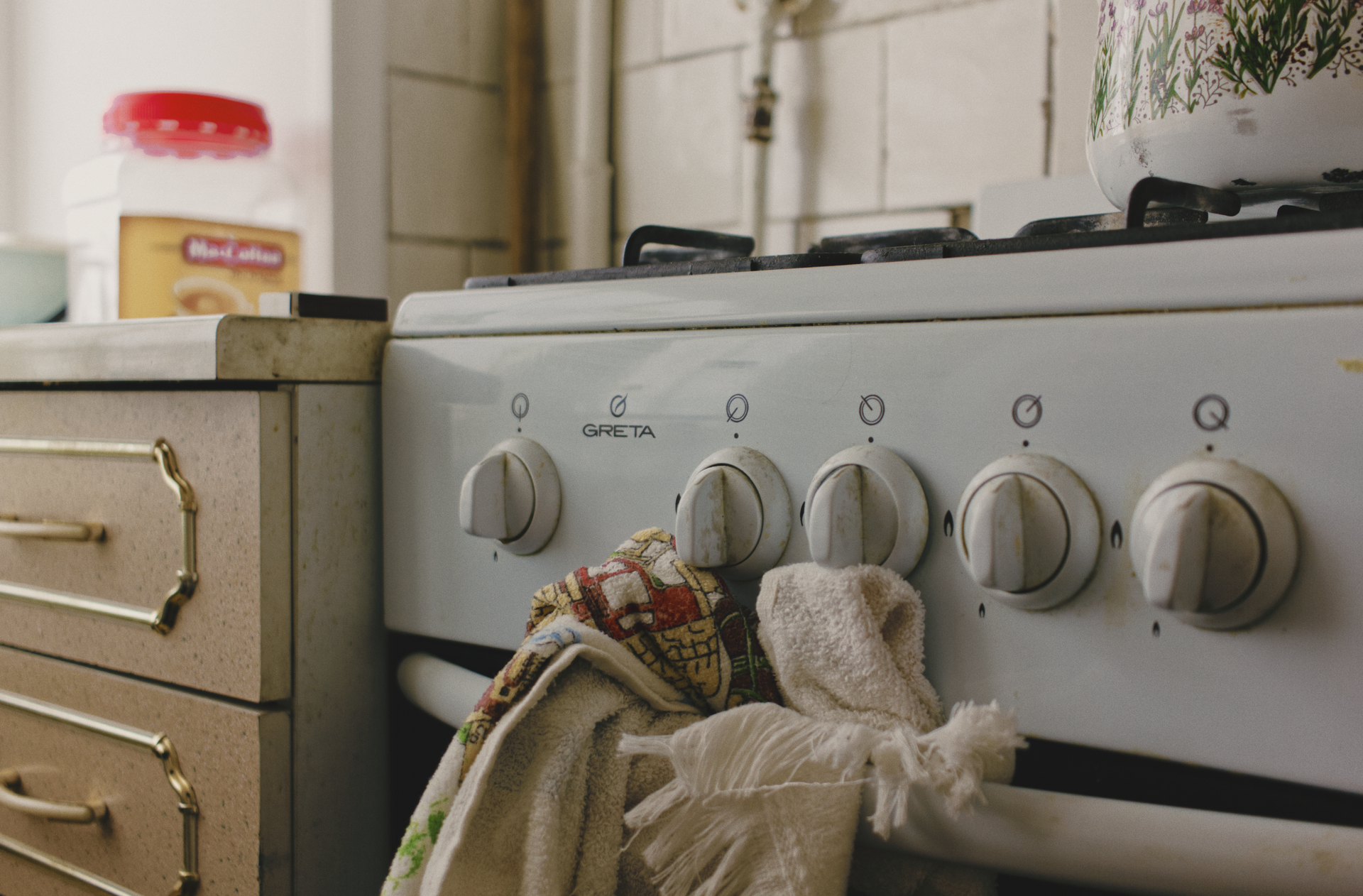
Removing appliances safely also means dealing with connections before the lifting starts. The preparation will depend on the appliance.
A refrigerator may need to be emptied. A washer may still contain water. Gas or hardwired appliances can involve connections that you should not guess your way through.
If you are unsure how to disconnect a gas, electrical, or plumbing connection, use someone qualified to handle that part before removal.
5. Do Not Treat Heavy Appliances Like Regular Boxes
Large appliances are bulky as well as heavy, which makes them harder to control when you need to tilt, turn, or move them over uneven surfaces. Trying to muscle through the job can also put extra strain on your back, shoulders, and arms.
OSHA recommends using
hand trucks and other mechanical help for heavy loads rather than relying on lifting alone. If the appliance feels too heavy or awkward to control from start to finish, that is a good sign to get help.
Here is a quick way to think about the job:
| Situation | Moving It Yourself | Getting Help |
|---|---|---|
| Appliance sits near an exterior door | May be manageable | Useful if it is too heavy |
| Stairs are involved | Risk and difficulty increase | Often the better choice |
| Tight turns or narrow halls | More planning is needed | Helps with a difficult route |
| Special disconnection is required | Only if handled correctly | Get qualified help when needed |
| Several bulky items need to go | More lifting and trips | One removal job may be simpler |
6. Pay Extra Attention to Stairs and Tight Spaces
Tight doorways and stairwells leave very little room for error. Even if an appliance feels manageable on flat ground, controlling that weight on a flight of stairs is a different story.
NIOSH guidance links manual material handling with musculoskeletal injuries involving the lower back, shoulders, and upper limbs, and recommends reducing unnecessary physical strain during handling tasks. If a turn feels too tight or the footing feels unstable, that is your sign to stop and call for backup rather than forcing it.
7. Decide What Happens After the Appliance Gets Outside
Getting the appliance through the front door does not finish the job. You still need somewhere for it to go, and the next step depends on the condition of the unit and what local programs accept.
Check these options first:
- Reuse or donate it if the appliance still works
- Recycle appliances through a program that accepts that type of unit
- Use a local drop-off program if the appliance is no longer usable
In Westchester County, the Household Material Recovery Facility accepts large appliances such as refrigerators, washing machines, and dryers by reservation. New York State also excludes common household appliances such as refrigerators, freezers, washers, dryers, microwaves, ovens, ranges, and dishwashers from its definition of covered electronic equipment.
That means an old appliance should not automatically be treated as electronic waste, so check the local program that matches the item before you make the trip.
Make Appliance Removal Easier on Yourself
Junk removal becomes useful when the hardest part is getting the appliance out of the property and transporting it somewhere else. Stairs, narrow spaces, several bulky items, or a deadline can make a DIY move far less appealing than it first seemed.
As a local, fully insured crew, AL’s Junk Removal handles the heavy lifting when bulky appliances need to go. We handle appliance removal for jobs that are part of garage, basement, estate, and property cleanouts.
Before an appliance pickup, tell us whether the unit is upstairs, in a basement, behind a narrow doorway, or around a tight turn. Those access details often matter as much as the appliance itself because they help us understand the route before removal begins.
That means you can also clear furniture or other unwanted items instead of arranging several separate pickups.
Frequently Asked Questions
Can an old appliance be removed from a basement?
Yes. AL’s Junk Removal handles appliance removal and the heavy lifting involved. When you contact us, let us know where the appliance is located, especially if stairs, narrow hallways, or tight turns are involved. That gives us a clearer picture of the removal before the job begins.
What should I do before someone removes my appliance?
Start by making sure the appliance is ready to leave. Depending on the unit, that may include:
- Removing food or other contents
- Clearing the path to the exit
- Making sure required connections are handled
- Letting the removal crew know about stairs or access issues
Do not attempt a connection you do not know how to handle safely.
Can furniture leave in the same pickup as an appliance?
Yes. We offer furniture and appliance removal, so several bulky items can be handled during the same job. This can be useful when you are clearing a basement, garage, estate, rental property, or another space where more than one unwanted item needs to go.
Are old appliances considered electronic waste?
Not always. Under New York State’s electronic waste law, common household appliances such as refrigerators, freezers, washers, dryers, microwave ovens, ranges, and dishwashers are excluded from the state’s definition of covered electronic equipment. Check the rules for the specific item before assuming every appliance with electrical parts belongs in an e-waste program.
Do you offer same-day appliance removal?
At AL’s Junk Removal, we offer same-day appointments when availability allows. If an old appliance needs to be gone before a move, delivery, cleanout, or property turnover, tell us what needs to leave and where it is located when you call us so we can understand the job.